 Live Wire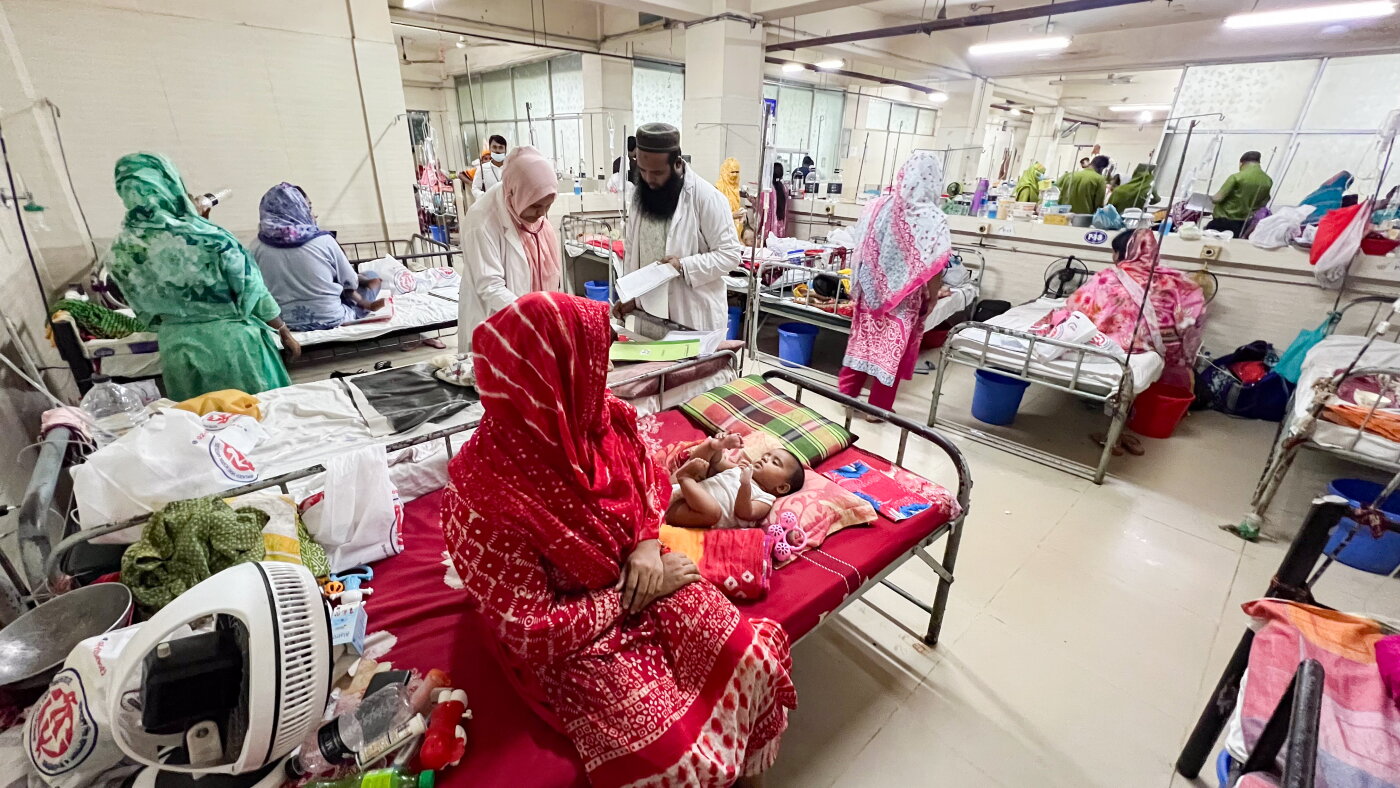
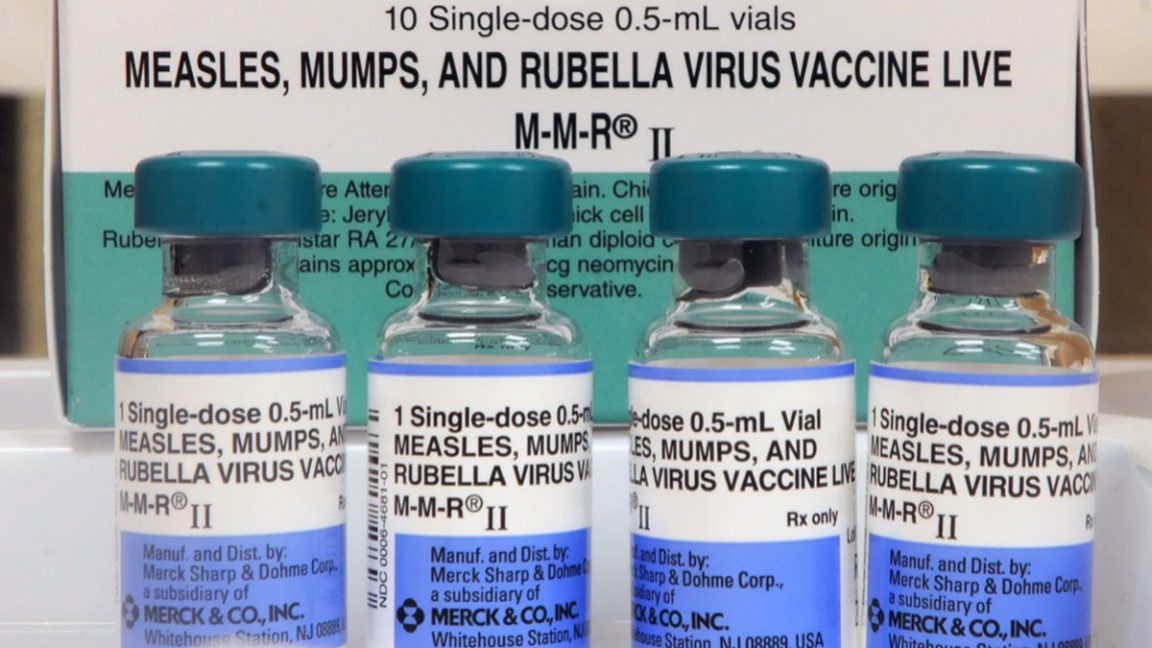
The measles ward at Dhaka Shishu Hospital remains full five months after a massive outbreak began in Bangladesh. In May, NPR reported on the rapid and devastating spread of measles, noting over 500 child deaths in an outbreak largely ignored globally. Early optimism about controlling the outbreak was tempered by a nationwide vaccination campaign that initially targeted 18 million children aged 6 months to 5 years.
The campaign exceeded expectations, administering 18.4 million doses, but experts now estimate 22.6 million children remain unvaccinated, allowing the virus to persist. The Centers for Disease Control and Prevention reported Bangladesh had the highest number of measles cases in the world from January to June 2023, with 57,561 cases, including 1,162 suspected and 94 confirmed in a single day. By September 9, over 1,000 children had died from measles since March.
Health experts attribute the outbreak’s continuation to insufficient vaccination coverage, malnutrition exacerbating severe illness, and a lack of immunity in vulnerable populations. The government has since launched a new vaccination campaign, aiming to vaccinate 1.6 million more children, with plans to procure an additional 2.5 million doses. Despite efforts, experts warn that even doubling vaccination rates would take another two to three months to fully control the outbreak.
The economic toll on families is severe: nearly 90% of affected households have borrowed money for treatment, and 60% have exhausted savings. Caregivers often lose income due to illness-related absences, further straining low-income families. Families who have lost children report the deepest emotional and financial burden.
Source: NPR